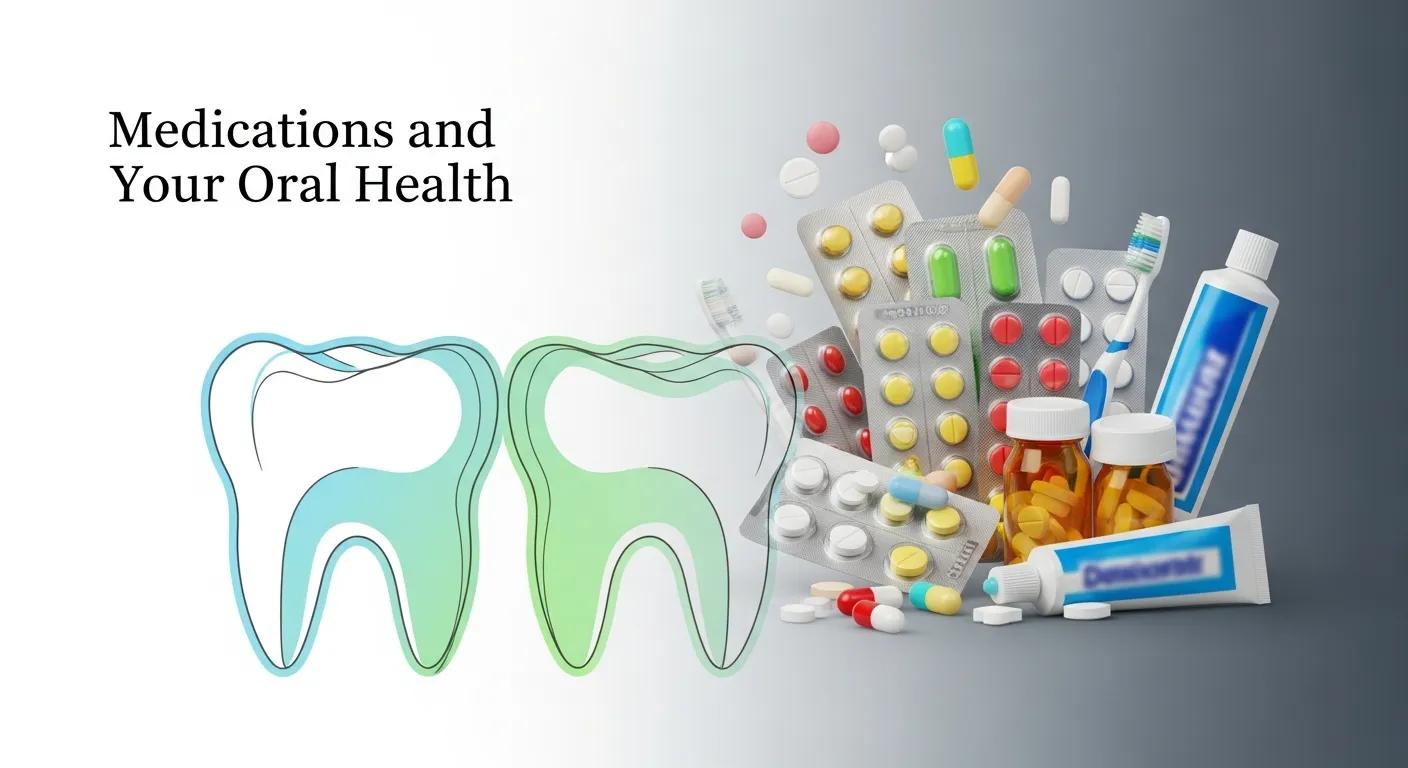
Medications play a crucial role in managing various health conditions, but they can also significantly impact dental treatment and oral health. Understanding how different medications affect dental procedures is essential for both patients and dental professionals. This article will explore the relationship between medications and dental care, highlighting the importance of informing your dentist about any medications you are taking. We will discuss common oral side effects caused by medications, the impact of blood thinners on dental procedures, and the risks associated with osteoporosis medications. Additionally, we will examine how chronic disease medications can affect oral health and how Village Dental Group provides specialized care for patients on medications.
Importance of Informing Your Dentist About Medications
Informing your dentist about your medications is vital for ensuring safe and effective dental treatment. Accurate medical history allows dental professionals to tailor treatment plans based on individual needs and potential drug interactions. When patients disclose their medications, dentists can anticipate complications and adjust procedures accordingly, minimizing risks during treatment.
Medications’ Influence on Dental Treatment Plans
Medications can significantly influence dental treatment plans. For instance, patients on anticoagulants may require special precautions to manage bleeding risks during procedures. Additionally, certain medications can affect the healing process, necessitating adjustments in treatment timelines. Open communication between patients and dentists is essential to ensure that treatment plans are safe and effective.
Risks of Drug Interactions During Dental Care
Drug interactions can pose serious risks during dental care. For example, combining certain medications can lead to increased bleeding or adverse reactions to anesthesia. Dentists must be aware of these interactions to mitigate risks effectively. Strategies to manage these risks include thorough patient assessments and collaboration with healthcare providers to ensure comprehensive care.
Common Oral Side Effects Caused by Medications
Medications can lead to various oral side effects that may impact overall oral health. Understanding these side effects is crucial for patients to manage their dental care effectively.
Dry Mouth: Effects on Oral Health and Causing Medications
Dry mouth, or xerostomia, can lead to various oral health issues, including increased risk of cavities and gum disease. Medications such as antihistamines, antidepressants, certain blood pressure medications, and some anticholinergics are common culprits. Patients experiencing dry mouth should consider using saliva substitutes and maintaining good oral hygiene to mitigate its effects.
Medications Leading to Gum Disease and Gingival Overgrowth
Certain medications can contribute to gum disease and gingival overgrowth. For instance, calcium channel blockers, some anticonvulsants (like phenytoin), and immunosuppressants (such as cyclosporine) are known to cause gingival hyperplasia. Regular dental check-ups are essential for early detection and management of these conditions, ensuring that patients maintain optimal oral health.
Impact of Blood Thinners on Dental Procedures and Necessary Precautions
Blood thinners are crucial for managing various health conditions, but they can complicate dental procedures. Understanding their impact is essential for safe dental care.
Blood Thinning Medications Increasing Bleeding Risk During Dental Work
Common blood thinners, such as warfarin, direct oral anticoagulants (DOACs) like apixaban and rivaroxaban, and antiplatelet agents like aspirin and clopidogrel, can increase the risk of bleeding during dental procedures. Dentists must assess patients’ medication regimens and may recommend temporary adjustments or additional precautions to minimize bleeding risks during treatment, often in consultation with the prescribing physician.
Further research emphasizes the delicate balance required in managing patients on anticoagulants, highlighting the risks associated with discontinuing therapy versus managing bleeding during procedures.
Village Dental Group’s Management of Patients on Anticoagulants
At Village Dental Group, we prioritize the safety of patients on anticoagulants by implementing specific protocols. Our team collaborates with patients’ healthcare providers to ensure comprehensive care, including pre-treatment assessments and tailored treatment plans that account for medication effects. This collaborative approach enhances patient outcomes and ensures safe dental experiences.
Dental Risks Associated with Osteoporosis Medications
Osteoporosis medications, particularly bisphosphonates and denosumab, can pose unique risks during dental procedures. Understanding these risks is essential for safe treatment.
Bisphosphonates and Denosumab: Effects on Jaw Bone Health
Bisphosphonates and denosumab can affect jaw bone health, increasing the risk of medication-related osteonecrosis of the jaw (MRONJ), especially after dental extractions or implants. Dentists must be aware of these risks and take appropriate precautions to ensure patient safety during dental procedures.
Precautions for Dental Implants and Extractions with Osteoporosis Medications
Patients on osteoporosis medications should inform their dentist before undergoing dental implants or extractions. Precautions may include thorough medical history reviews, imaging studies, and careful planning to minimize risks associated with these procedures. In some cases, a drug holiday may be considered in consultation with the prescribing physician.
Chronic Disease Medications: Effects on Oral Health and Dental Treatment
Chronic disease medications can have various effects on oral health, necessitating careful management during dental treatment.
For instance, medications like amlodipine, commonly prescribed for hypertension, can lead to gingival overgrowth, while chemotherapy treatments often result in severe oral mucositis, dry mouth, and increased susceptibility to infections. These examples underscore the diverse ways systemic medications can manifest in the oral cavity, requiring dentists to be vigilant and adapt treatment strategies accordingly.
Oral Side Effects Caused by Chemotherapy, Steroids, and Immunosuppressants
Chemotherapy, steroids, and immunosuppressants can lead to oral side effects suchs as mucositis, dry mouth, increased susceptibility to infections, delayed healing, and oral candidiasis. Patients should communicate their medication regimens to their dentist to ensure appropriate management strategies are in place.
Managing Taste Alterations and Oral Infections
Patients experiencing taste alterations or oral infections due to chronic disease medications should maintain regular dental visits and practice good oral hygiene. Strategies such as using antimicrobial mouth rinses, saliva substitutes, and staying hydrated can help manage these side effects effectively.
Village Dental Group’s Specialized Care for Patients on Medications
At Village Dental Group, we recognize the importance of providing specialized care for patients on medications. Our approach focuses on personalized treatment plans that consider each patient’s unique needs.
Personalized Approaches for Safe and Gentle Dental Treatment
We employ personalized approaches to ensure safe and gentle dental treatment for patients on medications. This includes thorough assessments, tailored treatment plans, and ongoing communication with patients to address any concerns.
Collaboration with Physicians to Enhance Patient Outcomes
Collaboration with physicians enhances patient outcomes by ensuring comprehensive care. By working together, dental and medical professionals can address potential medication interactions and provide coordinated treatment plans that prioritize patient safety and health.
Personalized Dental Care
Don’t let your medications be a barrier to optimal oral health. Our expert team at Village Dental Group is here to provide safe, tailored treatment plans that consider your unique medical history.