When people think about diabetes, they usually think about blood sugar, diet, or insulin. But many are surprised to learn that diabetes has a powerful effect on oral health — particularly the health of your gums.
In fact, gum disease is often referred to as the sixth complication of diabetes, alongside heart disease, kidney disease and nerve damage. Understanding this connection is vital, because healthy gums can play an important role in managing diabetes — and uncontrolled diabetes can seriously affect your mouth.
In this guide, we’ll explain how diabetes affects your gums, why people with diabetes are more prone to periodontal disease, and what you can do to protect your oral health.
Understanding Diabetes and Its Impact on the Body
Diabetes is a long-term condition that affects how your body regulates glucose (blood sugar). Glucose is your body’s main source of energy, but when levels remain too high for long periods, it can damage tissues throughout the body.
Over time, high blood sugar can:
- Damage blood vessels
- Slow wound healing
- Increase inflammation
- Reduce the body’s ability to fight infection
Because your mouth contains millions of bacteria, any condition that weakens your immune system can have a significant impact on oral health.
This is why people living with diabetes have a higher risk of:
- Gum disease (periodontal disease)
- Tooth decay
- Dry mouth
- Fungal infections
- Slow healing after dental treatment
- Tooth loss
Why Oral Health Is So Important for People With Diabetes
Your gums are the supporting foundation of your teeth. They protect the bone and tissues that keep teeth securely in place.
When gum disease develops, the infection doesn’t stay limited to the mouth. It can spread through the bloodstream and contribute to inflammation throughout the body.
For people with diabetes, this creates a serious concern.
Poor oral health can make diabetes harder to control — and poorly controlled diabetes can make oral health worse. This creates a cycle that can be difficult to break without proper dental care and diabetes management.
What Is Periodontal (Gum) Disease?
Periodontal disease is a chronic infection of the gums and supporting structures of the teeth. It develops slowly and often without pain, which is why many people don’t realise they have it until it becomes advanced.
Stage 1: Gingivitis
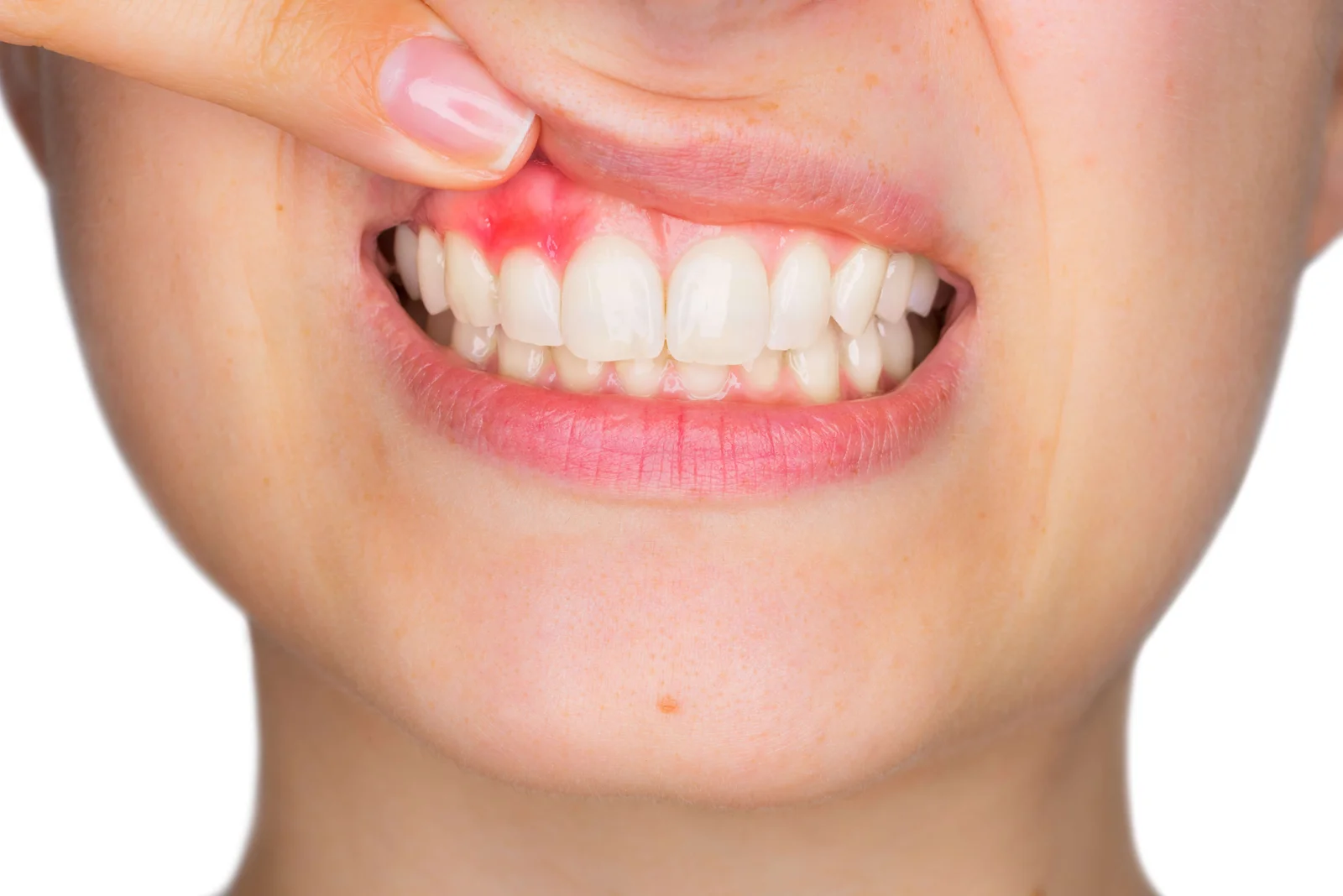
Gingivitis is the earliest and mildest form of gum disease. At this stage, the damage is reversible with good oral hygiene and professional cleaning.
Signs of gingivitis include:
- Red or swollen gums
- Bleeding when brushing or flossing
- Tender gums
- Persistent bad breath
Many people ignore bleeding gums, assuming it’s normal. However, bleeding is one of the earliest warning signs of gum disease.
Stage 2: Periodontitis
If gingivitis is left untreated, it can progress to periodontitis. At this stage, the infection spreads deeper into the tissues and bone that support the teeth.
Symptoms may include:
- Gum recession (teeth appearing longer)
- Deep pockets between teeth and gums
- Bone loss
- Loose or shifting teeth
- Tooth loss
Periodontitis is a leading cause of tooth loss in adults — and people with diabetes are significantly more likely to develop it.
Why People With Diabetes Are More Likely to Develop Gum Disease
Research shows that people with diabetes are up to three times more likely to develop periodontal disease.
There are several reasons for this increased risk.
High Blood Sugar Feeds Harmful Bacteria
Your mouth naturally contains bacteria. When blood sugar levels are high, more sugar is present in saliva.
This sugar feeds harmful bacteria, allowing plaque to build up more quickly.
Plaque is a sticky film that forms on teeth and gums. If it isn’t removed daily, it hardens into tartar and triggers gum inflammation.
Reduced Blood Flow to the Gums
Diabetes can cause blood vessels to thicken and narrow, reducing blood flow.
Healthy blood flow is essential because it delivers:
- Oxygen
- Nutrients
- Infection-fighting cells
When gums receive less blood supply, they become weaker and more vulnerable to infection.
A Weakened Immune System
White blood cells are the body’s main defence against infection. Diabetes can impair their function, making it harder for the body to fight bacteria in the mouth.
As a result, infections like gum disease can develop more easily and progress more quickly.
Increased Inflammation
Diabetes creates a state of chronic inflammation in the body. Gum disease is also an inflammatory condition.
When these two conditions occur together, inflammation becomes more severe and harder to control.
This increases the risk of serious periodontal damage.
How Gum Disease Can Affect Blood Sugar Levels
The connection between diabetes and gum disease goes beyond increased risk. Gum disease can actually make diabetes harder to manage.
When gums are infected, the body releases inflammatory chemicals to fight the infection. These chemicals can interfere with insulin, making it more difficult for the body to regulate blood sugar.
This can lead to:
- Increased insulin resistance
- Higher blood sugar levels
- Greater risk of diabetic complications
Studies have shown that treating gum disease can lead to improved blood sugar control in many patients.
This highlights the importance of regular dental care as part of diabetes management.
Warning Signs Diabetic Patients Should Watch For
Because gum disease can develop silently, it’s important to recognise the early warning signs.
If you have diabetes, watch for:
- Bleeding gums
- Red or swollen gums
- Persistent bad breath
- Receding gums
- Loose teeth
- Mouth sores that heal slowly
- Dry mouth
Even mild symptoms should be checked by a dental professional.
Dry Mouth and Diabetes
Dry mouth (xerostomia) is another common oral health issue for people with diabetes.
High blood sugar and certain medications can reduce saliva production.
Saliva is essential because it:
- Washes away bacteria
- Neutralises acids
- Protects tooth enamel
Without enough saliva, the risk of tooth decay and gum disease increases.
Signs of Dry Mouth
- Sticky feeling in the mouth
- Difficulty swallowing
- Cracked lips
- Burning sensation
- Increased cavities
Staying hydrated and managing blood sugar can help reduce symptoms.
Oral Thrush and Fungal Infections
People with diabetes are more prone to oral thrush, a fungal infection caused by Candida.
Symptoms include:
- White patches in the mouth
- Red or sore areas
- Difficulty swallowing
- Cracks at the corners of the mouth
High sugar levels create an environment where fungi can thrive, making infections more likely.
Healing After Dental Treatment
Diabetes can slow healing after dental procedures such as:
- Tooth extractions
- Gum treatment
- Dental implants
- Deep cleaning
When blood sugar is well controlled, healing is usually much faster and safer.
Always inform your dentist if you have diabetes so treatment can be planned appropriately.
How to Protect Your Oral Health if You Have Diabetes
The good news is that gum disease is largely preventable.
Maintain Good Blood Sugar Control
Stable blood sugar helps reduce inflammation and lowers infection risk.
Brush Twice Daily
Brush for two minutes morning and night using fluoride toothpaste.
Electric toothbrushes can be especially effective.
Clean Between Teeth Every Day
Floss or use interdental brushes to remove plaque between teeth.
Visit the Dentist Regularly
People with diabetes often benefit from dental visits every 3–4 months.
Professional cleaning removes tartar that brushing alone cannot remove.
Quit Smoking
Smoking significantly increases the risk of gum disease, especially in people with diabetes.
Stay Hydrated
Drink water regularly to help prevent dry mouth and support saliva production.
Why Regular Dental Visits Are Essential
Your dental team can detect early signs of gum disease before symptoms become severe.
Early treatment can:
- Protect teeth and gums
- Improve blood sugar control
- Reduce inflammation
- Prevent tooth loss
Preventative care is always easier and less costly than treating advanced disease.
The Bigger Picture: Oral Health and Overall Health
Your mouth is closely connected to the rest of your body. Inflammation and infection in the gums can affect overall health and wellbeing.
Looking after your oral health is an important part of managing diabetes and maintaining a healthy lifestyle.
Final Thoughts
Diabetes affects much more than blood sugar levels. It can influence every part of the body — including your gums, teeth and mouth.
The key message is simple: healthy gums are part of healthy diabetes management.
By maintaining good oral hygiene, attending regular dental visits and keeping blood sugar under control, you can significantly reduce your risk of gum disease and protect your smile for the future.
If you have diabetes and haven’t had a dental check-up recently, now is the perfect time to book one. Your oral health is an important part of your overall wellbeing.
If you’re living with diabetes, regular dental care is essential for protecting your gums and overall health. Our friendly team in South Orange provides gentle check-ups, professional hygiene care and personalised advice to help you keep your smile healthy and your diabetes well managed.
Book your dental check-up today and let us support you in keeping your gums strong and your smile confident. Call our South Orange practice or request an appointment online — we’re here to help you take the next step toward better oral health.