
Dental Emergencies at Home
Dental emergencies are often unexpected and can be incredibly distressing, demanding immediate attention. The sudden onset of pain or injury can be alarming, impacting both physical comfort and emotional well-being. Knowing how to effectively manage these situations at home can significantly influence the outcome, potentially saving a tooth or preventing more severe complications. This comprehensive guide will walk you through common dental emergencies, their tell-tale symptoms, and crucial first aid measures you can implement before professional help arrives. You’ll gain vital knowledge on managing toothaches, chipped teeth, and lost fillings, and most importantly, learn when to contact a dentist. By being prepared, you can alleviate pain, minimize damage, and ensure the best possible prognosis until you receive expert care.
The tips in this guide are meant only to ease discomfort temporarily. If you have pain, swelling, a cracked or broken tooth, or any other dental emergency, you still need to see a dentist as soon as possible.
Understanding Common Dental Emergencies and Their Symptoms
Dental emergencies encompass a variety of issues that can arise without warning, frequently causing considerable pain and discomfort. These situations can result from accidents, underlying dental problems, or infections. Recognizing the specific symptoms of these emergencies is paramount for timely intervention, as prompt action can often prevent the condition from worsening. Key dental emergencies include severe toothaches, chipped teeth, broken teeth, and knocked-out teeth, each presenting distinct signs that require immediate attention.
Identifying Symptoms of a Toothache or Infection
- Persistent Pain: A constant, throbbing, or sharp pain in the affected tooth often signals a deep cavity, pulp inflammation, or an underlying infection. This discomfort may intensify with pressure or changes in temperature.
- Sensitivity: Heightened sensitivity to hot or cold temperatures, or even sweet foods, frequently indicates exposed dentin, enamel erosion, or a developing cavity that has reached the nerve.
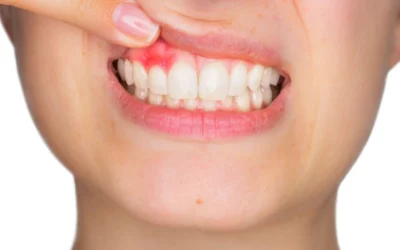
- Swelling: Swelling in the gums, jaw, or face surrounding the affected area is a strong indicator of an infection, such as an abscess, which necessitates urgent professional drainage and treatment.
- Foul Taste or Odor: A persistent bad taste or odor in the mouth, sometimes accompanied by a small pimple-like bump on the gum, almost always points to an active infection or draining abscess.
Early recognition of these symptoms can help you seek appropriate care and prevent further complications, including the spread of infection.
Recognizing a Chipped, Broken, or Knocked-Out Tooth
- Visible Damage: A noticeable chip, crack, or break in the tooth structure. This can range from a minor enamel chip causing little discomfort to a deep fracture exposing the inner pulp, leading to severe pain.
- Pain: Sharp pain at the site of the injury, particularly when biting down or exposing the tooth to air. The intensity of pain typically correlates with the extent of the damage.
- Sensitivity: Increased sensitivity to temperature or pressure due to exposed dentin or nerve tissue, which can manifest as a constant ache or a sharp jolt.
- Displacement: A knocked-out tooth (avulsed tooth) may be completely missing from its socket or severely displaced from its original position. This is a highly time-sensitive emergency.
Prompt recognition of these symptoms will guide you in taking the necessary steps to manage the situation effectively and improve the chances of saving the tooth.
Immediate First Aid Steps for Dental Emergencies at Home
When confronted with a dental emergency, knowing the immediate first aid steps can significantly alleviate pain, prevent further damage, and improve the prognosis until you can reach a dental professional. These steps are temporary measures designed to manage the situation, not to cure the underlying problem.
First Aid for Tooth Pain and Abscess Relief

Tooth pain and abscesses can be incredibly uncomfortable and potentially serious. Here are some crucial first aid steps:
- Rinse with Warm Salt Water: Dissolve half a teaspoon of salt in 8 ounces of warm water. Swish the solution gently in your mouth for about 30 seconds, then spit it out. Repeat several times. This helps reduce inflammation, dislodge food particles, and acts as a mild antiseptic. Some patients find relief by gently rinsing with a mixture of warm salt water and a small amount of hydrogen peroxide. Swish carefully and do not swallow. This should only be used sparingly for a short time, as overuse can irritate gum tissues.
- Apply a Cold Compress: Place a cold compress or an ice pack (wrapped in a cloth) on the outside of your cheek, near the affected area. Apply for 15-20 minutes, then remove for 15-20 minutes. This helps reduce swelling and numb the pain by constricting blood vessels.
- Over-the-Counter Pain Relief: Use pain relievers such as ibuprofen (e.g., Advil) or acetaminophen (e.g., Tylenol) to manage discomfort. Ibuprofen is particularly effective due to its anti-inflammatory properties. Always adhere to the dosage instructions on the package. Important: Never place aspirin directly on the aching tooth or gum, as it can cause chemical burns to the gum tissue. In some cases, adults may be advised to alternate or combine ibuprofen and acetaminophen for stronger pain relief. Always follow the directions on the package and your dentist’s or physician’s guidance before doing this, especially if you have other medical conditions or take daily medications.
- Clove oil: A drop of clove oil on a cotton swab, gently applied to the sore tooth or gum, can provide short-term numbing relief. Use only a very small amount, avoid swallowing it, and remember that this is a temporary comfort measure until you can see a dentist.
These steps offer temporary relief while you arrange for professional dental care, which is essential for addressing the root cause of the pain or infection.
Emergency Steps for Chipped, Broken, or Knocked-Out Teeth
- Rinse Your Mouth: Gently rinse your mouth with warm water to clean the injured area and remove any small tooth fragments or debris. If there’s a visible chip, try to save any pieces if possible.
- Control Bleeding: If bleeding occurs, apply gentle but firm pressure with a clean cloth or sterile gauze to the injured area for 10-15 minutes. If bleeding persists, continue applying pressure and seek immediate professional help.
- Preserve a Knocked-Out Tooth: If a tooth is completely knocked out (avulsed), time is critical for successful re-implantation. Handle the tooth carefully by the crown (the chewing surface), avoiding contact with the root. Gently rinse it with water if it’s dirty, but do not scrub it or remove any attached tissue. Immediately place the tooth in a container of milk, saline solution, or saliva to keep it moist. A tooth preservation kit (if available) is ideal. Avoid storing it in plain water, as this can damage the root cells. Seek immediate dental attention, ideally within 30-60 minutes.
Taking these steps can help minimize damage, control pain, and significantly increase the chances of saving the tooth, especially in the case of an avulsed tooth.
Beyond immediate first aid, addressing aesthetic concerns from chipped or broken teeth often involves specialized treatments. For those looking to restore the appearance of their smile, cosmetic dentistry offers various solutions, such as bonding, veneers, or crowns, to enhance dental aesthetics and function, providing both beauty and durability.
Temporarily Managing Lost Fillings or Crowns Before Professional Repair
Lost fillings or crowns can expose sensitive tooth structures, leading to discomfort, increased sensitivity, and further dental issues if not addressed promptly. While these are temporary solutions, they can provide relief and protection until you can see a dentist for a permanent fix.
Safe Temporary Solutions for a Lost Crown or Filling
- Dental Cement: Over-the-counter dental cement, readily available at most pharmacies, can be used to temporarily secure a crown back onto the tooth or fill a lost filling cavity. Clean the crown and the tooth thoroughly before applying a small amount of cement and gently seating the crown back into place. For a lost filling, carefully apply the cement into the cavity. This is a very short-term solution and not a substitute for professional repair.
- Sugar-Free Gum: For a lost filling, a small piece of sugar-free gum can be gently pressed into the cavity to temporarily seal it. This helps protect the exposed area from food particles, bacteria, and temperature changes, thereby reducing sensitivity. Ensure it is sugar-free to prevent further decay.
- Avoid Hard Foods: Stick to soft, lukewarm foods and chew on the opposite side of your mouth to prevent further damage to the affected tooth or crown. Hard, sticky, or very hot/cold foods can dislodge temporary fixes or cause more pain and damage to the exposed tooth.
These solutions can help protect the tooth and alleviate discomfort until you can visit a dentist for a permanent fix, which is crucial for the long-term health of your tooth.
When to Avoid DIY Fixes and Contact a Dentist
- Severe Pain: If you experience intense, unmanageable pain that does not subside with over-the-counter pain relievers or temporary fixes, it indicates a deeper problem that requires immediate professional intervention.
- Signs of Infection: Symptoms like fever, persistent swelling, pus, or a foul taste indicate a serious infection (abscess) that cannot be treated at home. These require urgent professional care, potentially including antibiotics and drainage.
- Inability to Manage the Situation: If you are unsure about how to proceed, if the temporary fix doesn’t hold, or if you feel the situation is worsening, it’s always best to consult a dentist. Attempting complex DIY fixes can sometimes cause more harm than good.
Recognizing when to seek professional help is crucial for your oral health and overall well-being, as delaying care can lead to more extensive and costly treatments.
When to Seek Professional Emergency Dental Care
Knowing when to seek professional dental care is paramount to preventing complications, ensuring proper treatment, and preserving your dental health. While home remedies offer temporary relief, a dentist’s expertise is essential for diagnosing and permanently resolving dental emergencies.
Signs Indicating the Need for Same-Day Emergency Dental Appointments
- Severe Pain: Unmanageable, excruciating pain that disrupts your daily activities, sleep, or concentration, and doesn’t respond to over-the-counter pain medication, is a clear sign of a serious issue requiring immediate attention.
- Significant Swelling: Rapidly developing or significant swelling in the gums, jaw, or face, especially if it’s spreading to your eye or neck, indicates a severe infection that needs urgent diagnosis and treatment to prevent it from becoming life-threatening.
- Infection Signs: Beyond swelling, if you experience systemic symptoms of infection such as fever, chills, general malaise, or visible pus around the affected area, you need to contact a dentist immediately. These are signs that the infection is spreading.
- Trauma to the Mouth: Any injury that results in a knocked-out tooth, a severely fractured tooth, or significant soft tissue damage (cuts to gums, lips, tongue) warrants an immediate dental visit.
If you experience any of these symptoms, contact a dentist immediately. Many dental offices reserve slots for emergency appointments.
Preventing Dental Emergencies and Managing Anxiety at Home
Preventing dental emergencies is a proactive approach to maintaining optimal oral health and avoiding unexpected pain and stress. Additionally, effectively managing dental anxiety, especially during emergencies, can help individuals feel more comfortable and cooperative during dental visits, leading to better outcomes.
Preventative Measures to Reduce the Risk of Dental Emergencies
- Regular Dental Check-Ups: Schedule routine visits to the dentist for professional cleanings and examinations. These check-ups allow for the early detection of issues like small cavities, gum disease, or weak fillings before they escalate into painful emergencies.
- Good Oral Hygiene: Encourage and practice daily brushing (at least twice a day for two minutes with fluoride toothpaste) and flossing (once a day). This meticulous routine removes plaque and food particles, preventing cavities, gum inflammation, and infections that can lead to emergencies.
- Use Mouthguards: For children and adults involved in contact sports or activities with a risk of facial impact, wearing a custom-fitted mouthguard is essential to protect teeth from chips, fractures, and being knocked out. Additionally, if you grind or clench your teeth at night (bruxism), a nightguard can prevent tooth wear and fractures.
- Avoid Chewing Hard Objects: Refrain from chewing on ice, hard candies, popcorn kernels, or using your teeth to open packages. These habits can easily chip, crack, or break teeth, or dislodge fillings and crowns.
Implementing these strategies can significantly reduce the likelihood of experiencing dental emergencies and contribute to long-term oral health.
Supporting Children and Adults with Dental Anxiety During Emergencies

- Open Communication: Discuss fears and concerns openly and honestly. For children, explain what’s happening in simple, reassuring terms. For adults, validate their feelings and encourage them to voice their anxieties. Knowing what to expect can significantly alleviate fear.
- Relaxation Techniques: Encourage deep breathing exercises, progressive muscle relaxation, or guided imagery to help calm nerves. Listening to soothing music or a favorite podcast can also serve as a distraction during the waiting period or even during the dental visit itself.
- Positive Reinforcement: Use praise and small rewards (for children) to create a positive association with dental visits and managing difficult situations. Focus on their bravery and cooperation. For adults, acknowledge their courage and resilience.
- Distraction: For children, bring a favorite toy or book. For adults, focus on something else, like planning a future event or engaging in a light conversation.
These approaches can help individuals feel more at ease and empowered during dental emergencies, making the experience less traumatic and more manageable.
Frequently Asked Questions About Handling Dental Emergencies at Home
Addressing common questions can provide clarity and confidence when managing dental emergencies effectively, ensuring you take the right steps at the right time.
What Is the Fastest Way to Relieve Tooth Pain at Home?
The fastest way to relieve tooth pain at home typically involves a combination of methods: rinsing with warm salt water to cleanse and reduce inflammation, applying a cold compress to the outside of the cheek to numb the area and reduce swelling, and taking over-the-counter pain relievers like ibuprofen or acetaminophen. These methods can provide quick, temporary relief while you await professional dental care. Avoid placing aspirin directly on the gum, as it can cause chemical burns.
Can You Reinsert a Knocked-Out Tooth Yourself?
Yes, it is possible to reinsert a knocked-out tooth yourself, and doing so quickly significantly increases the chances of saving it. If the tooth is clean, hold it by the crown (not the root) and gently try to place it back into its socket. Once in place, bite down gently on a piece of gauze or a clean cloth to hold it there. However, if you are unsure, uncomfortable, or if the tooth is dirty and cannot be easily rinsed, it is best to store it in milk or saliva and seek professional help immediately. Time is critical; ideally, re-implantation should occur within 30 minutes of the injury.
While this guide focuses on emergencies, maintaining overall dental health also includes addressing long-term concerns like teeth alignment. For comprehensive solutions to straighten teeth and improve bite, exploring orthodontics can be a valuable step in preventative and corrective dental care, contributing to a healthier, more resilient smile.
By understanding how to handle dental emergencies at home, you can alleviate pain, prevent further complications, and act confidently when the unexpected occurs. However, always remember that professional dental care is essential for accurate diagnosis, definitive treatment, and long-term health and well-being. If you are in the South Orange, NJ area and need assistance, consider reaching out to Village Dental Group for expert, compassionate care. Being prepared means you’re ready to protect your smile.
When Is Visiting the Emergency Room Necessary for Dental Issues?
While most dental emergencies should be handled by a dentist, there are specific situations where an emergency room visit is necessary, particularly if the issue extends beyond the teeth and gums to affect overall health:
- Severe Trauma to the Mouth or Jaw: If you have sustained a serious injury to the mouth, face, or jaw, such as a suspected jaw fracture, deep facial lacerations, or a head injury along with dental trauma, the emergency room can provide immediate assessment and stabilization.
- Uncontrolled Bleeding: If bleeding from the mouth does not stop after applying firm, continuous pressure with a a clean cloth or gauze for 10-15 minutes, it’s a medical emergency that requires immediate attention at an ER.
- Severe Swelling Affecting Breathing or Swallowing: If swelling in your face or neck is so extensive that it restricts your ability to breathe, swallow, or open your mouth fully, this is a life-threatening situation. The ER can manage airway compromise and administer strong antibiotics intravenously.
Need Immediate Dental Care. Don’t delay when facing a dental emergency. Our team is ready to provide prompt and compassionate care to address your urgent needs. Emergency rooms can provide immediate care and stabilize your condition, but you will likely still need follow-up with a dentist for definitive dental treatment.