
Tooth sensitivity during pregnancy is a common concern for many expectant mothers, often caused by hormonal changes and dietary shifts. As the body undergoes significant transformations, these changes can lead to increased gum sensitivity and enamel erosion, resulting in discomfort. This article aims to provide insights into the causes of tooth sensitivity during pregnancy, safe care practices, and effective relief options. Understanding these factors is crucial for maintaining oral health and comfort during this important time. We will explore the various causes, safe dental care practices, and effective relief options, including natural remedies and professional treatments.
Causes:
Tooth sensitivity during pregnancy can arise from several factors, primarily linked to hormonal changes and dietary habits.
- Hormonal Changes: Increased levels of hormones such as progesterone can lead to heightened gum sensitivity and inflammation, making teeth more susceptible to pain.
- Dietary Changes: Pregnant women often experience cravings for sugary or acidic foods, which can contribute to cavities and enamel erosion.
- Morning Sickness: Frequent vomiting associated with morning sickness can expose teeth to stomach acids, leading to enamel erosion and increased sensitivity.
These factors highlight the importance of understanding how pregnancy affects dental health and the need for proactive care.
Safe Care Practices:

Maintaining oral health during pregnancy is essential for both the mother and the developing baby. Here are some safe dental care practices:
The physiological changes during pregnancy underscore the critical need for diligent oral health management and careful consideration of pain relief options.
Managing Oral Health & Dental Pain Safely During Pregnancy
Pregnancy is a dynamic state in the life of a woman which is associated with physiological and biochemical changes. Some of these changes in the oral cavity predispose to conditions like gingivitis, periodontitis, dental caries, and perimolysis which mandate the visit of a pregnant woman to a dentist. Dental care professionals should exercise utmost caution in prescribing safe medications to a pregnant patient for pain relief as well as for treating a particular condition. Oral Health during Pregnancy, V Kumar, 2022
- Maintain Oral Hygiene: Regular brushing and flossing are crucial to prevent plaque buildup and cavities.
- Schedule Regular Dental Visits: Regular check-ups allow for early detection and management of any dental issues.
- Communicate with Your Dentist: Inform your dentist about your pregnancy to ensure that any treatments are safe and appropriate. South Orange Dentist offers comprehensive dental care for pregnant women.
Following these practices can help manage tooth sensitivity and promote overall dental health during pregnancy.
After discussing safe care practices, it is important to consider scheduling dental appointments. Regular visits to a dentist can provide essential preventive care and address any concerns related to tooth sensitivity.
Effective Relief Options:
When dealing with tooth sensitivity during pregnancy, several relief options can be considered to alleviate discomfort.
- Use a Soft-Bristled Toothbrush: This can help reduce irritation to sensitive gums and teeth.
- Rinse with Water After Vomiting: This helps neutralize acids that can erode enamel and cause sensitivity.
- Consult with a Healthcare Provider for Pain Relief: Discuss safe pain relief options that are suitable during pregnancy.
Impact of Hormonal Changes on Dental Sensitivity
Hormonal changes during pregnancy can significantly impact dental health. Increased progesterone levels lead to gum inflammation, which can exacerbate sensitivity. Additionally, dietary changes often accompany these hormonal shifts, further contributing to discomfort. Understanding these effects is crucial for managing sensitivity effectively.
The Role of Enamel Erosion and Gum Inflammation
Enamel erosion and gum inflammation are critical factors in tooth sensitivity during pregnancy. Acidic vomit from morning sickness can erode tooth enamel, making teeth more sensitive. Furthermore, inflammation of the gums can heighten sensitivity, leading to discomfort when consuming hot or cold foods. Addressing these issues through proper dental care is essential for relief.
Managing Sensitivity Through Safe Dental Care During Pregnancy
Implementing safe dental care practices can significantly mitigate sensitivity during pregnancy. Regular dental check-ups are essential for monitoring oral health and addressing any issues promptly. Additionally, maintaining good hygiene practices, such as brushing with fluoride toothpaste and flossing daily, can help protect against sensitivity and other dental problems.
Recommended Restorative Dentistry Treatments
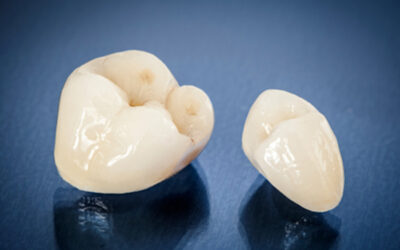
For pregnant women experiencing significant tooth sensitivity, certain restorative dentistry treatments may be recommended. Options such as fillings or crowns can address cavities and protect sensitive teeth. It is crucial to consult with a dentist to determine the safest and most effective treatment options during pregnancy.
Scheduling Dental Appointments Safely During Pregnancy
It is generally safe to schedule dental appointments while pregnant. The second trimester is often considered the ideal time for dental visits, as the risk of complications is lower. However, emergency dental care should not be delayed, as prompt treatment can prevent further issues.
Addressing common misconceptions, research highlights the importance of dispelling myths surrounding the safety of dental care during pregnancy.
Natural Remedies and Pain Relief Options for Pregnancy Tooth Sensitivity

Several natural remedies can help manage tooth sensitivity during pregnancy. These include:
- Saltwater Rinses: A saltwater rinse can soothe inflamed gums and reduce sensitivity.
- Clove Oil: Known for its analgesic properties, clove oil can provide temporary relief from tooth pain.
- Hydration: Staying hydrated helps maintain saliva production, which is essential for oral health.
These remedies can complement professional dental care and provide additional relief.
Pregnancy Oral Health Tips to Support Comfort and Safety
Maintaining oral health during pregnancy involves several practical tips that support comfort and safety:
- Regular Brushing and Flossing: Essential for preventing plaque buildup and cavities.
- Healthy Dietary Choices: Opting for a balanced diet can help minimize the risk of dental issues.
- Avoiding Sugary Snacks: Reducing sugar intake can help prevent cavities and enamel erosion.
These tips are vital for ensuring a healthy pregnancy and minimizing discomfort related to tooth sensitivity.
The Importance of Regular Dental Checkups During Pregnancy
Regular dental check-ups are crucial during pregnancy for several reasons. They allow for the early detection of potential issues, such as cavities or gum disease, which can affect both the mother and the baby. Preventive care can help avoid complications and ensure that any necessary treatments are performed safely.
Preventing and Detecting Pregnancy Gingivitis Through Checkups
Regular dental visits play a significant role in preventing and detecting pregnancy gingivitis. Dentists can identify early signs of gum disease, which is common during pregnancy due to hormonal changes. Addressing gingivitis promptly can prevent more serious complications and maintain overall oral health.
Further research emphasizes the prevalence and contributing factors of pregnancy gingivitis, a common concern for expectant mothers.
Pregnancy Gingivitis: Hormonal Causes & Gum Sensitivity
Pregnancy gingivitis is a common condition characterized by gum inflammation, swelling, and bleeding. Hormonal fluctuations during pregnancy can increase susceptibility to dental infections, particularly in teeth and gums. Factors such as hormonal fluctuations, morning sickness, dietary changes, heightened gum sensitivity, and decreased dental care practices can contribute to this issue. Gingivitis and oral health diseases related to pregnancy, 2023
Scheduling Dental Visits During Pregnancy
Patients should discuss their dental visit schedule with their dentist early in their pregnancy. Generally, it is recommended to have a dental check-up during the second trimester, as this is often the safest period for treatment. Regular visits can help ensure that any dental issues are managed effectively.
For those considering orthodontic treatment during or after pregnancy, orthodontics can provide solutions for misaligned teeth and bite issues.
Additionally, for women experiencing tooth loss or damage during pregnancy, dental implants offer a permanent and effective solution to restore their smile and oral function.
Take Charge of Your Oral Health During Pregnancy
Don’t let tooth sensitivity disrupt your pregnancy comfort. Schedule a dental check-up with a trusted professional to ensure safe and effective care tailored to your needs. Early intervention and proper care can make all the difference for you and your baby.