
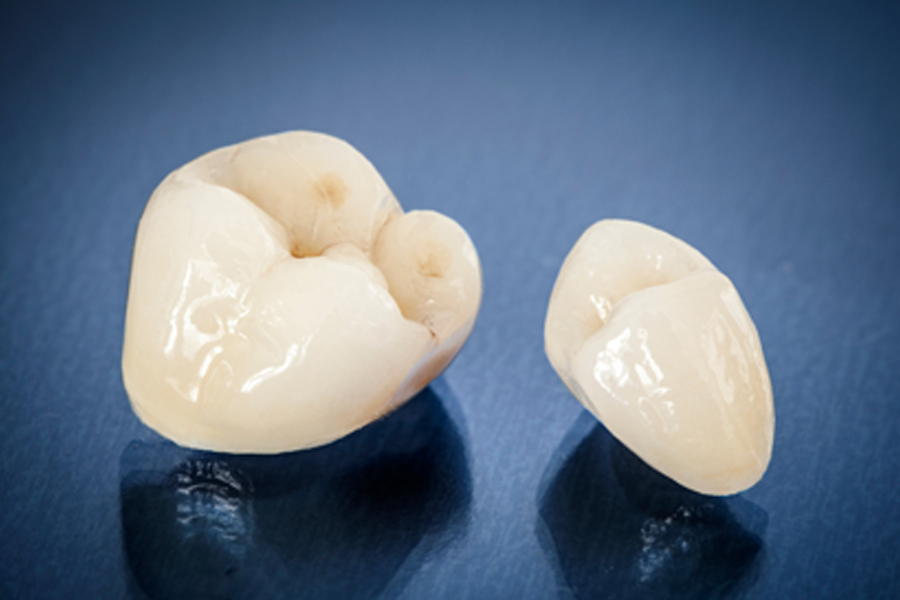
Understanding Occlusal Trauma & Bite Adjustments
You finally get your filling or crown completed, expecting relief from discomfort or damage but instead, your tooth still hurts when you chew. Maybe it feels sore, sensitive, or like your bite is suddenly “off.”
If this sounds familiar, you may be experiencing something called occlusal trauma. While the name may sound complicated, the issue is often simple to correct with a small bite adjustment at your dental office.
At South Orange Family Dentistry, we often see patients who are concerned after restorative dental work because their tooth still feels uncomfortable. The good news is that in many cases, the solution is quick, painless, and highly effective.
What Is Occlusal Trauma?
Occlusal trauma occurs when a tooth experiences excessive pressure during biting or chewing. This commonly happens when a filling or crown sits slightly higher than the surrounding teeth.
Even a tiny difference in height can create uneven pressure every time you bite down. Because your bite naturally repeats thousands of times a day, that extra force can irritate the tooth, surrounding ligaments, jaw muscles, and nearby tissues.
Many patients describe it as feeling like:
- One tooth touch first
- Their bite feels uneven
- The tooth feels “too high”
- Chewing feels uncomfortable on one side
The tooth itself may not be damaged — it may simply need a precise adjustment.
Common Symptoms After a Filling or Crown
Some mild sensitivity after dental treatment can be normal for a short time. However, certain symptoms may indicate that your bite needs adjustment.
Common signs of occlusal trauma include:
- Pain when chewing or biting down
- Sensitivity to pressure
- Tooth soreness that lingers after treatment
- Feeling that your bite is uneven
- Jaw tension or facial discomfort
- Headaches near the temples
- Avoiding chewing on one side
- A crown or filling feeling “too tall”
- Sharp pain when teeth come together
In many cases, patients notice the discomfort becomes worse while eating tougher foods.
Why Does This Happen After Dental Work?
Fillings and crowns are carefully shaped to restore the tooth’s natural function and appearance. However, your bite is extremely precise, and even small differences can sometimes go unnoticed until the numbness wears off, and you begin chewing normally again.
A restoration that is slightly too high can place excessive force on the tooth. Over time, this pressure can inflame the ligaments that support the tooth, leading to discomfort and sensitivity.
This is especially common after:
- Dental crowns
- Composite fillings
- Inlays or onlays
- Dental bridges
- Emergency dental repairs
Fortunately, this type of issue is usually straightforward to correct.
Is It Normal to Have Sensitivity After a Filling?
Some temporary sensitivity after a filling or crown can be completely normal, especially with:
- Cold foods or drinks
- Hot beverages
- Pressure while chewing
- Deep fillings near the nerve
This mild sensitivity often improves within days or weeks as the tooth settles.
However, if the pain feels sharp when biting down, your bite feels uneven, or chewing becomes difficult, it is important to schedule a dental evaluation. Persistent discomfort should never be ignored.
How Dentists Check for Bite Problems
During a bite evaluation, your dentist will check how your upper and lower teeth come together.
This is often done using a thin marking paper that highlights pressure points when you bite down. If one area is receiving too much force, the restoration can usually be reshaped and polished with a simple adjustment.
The process is:
- Quick
- Comfortable
- Non-invasive
- Usually completed in one visit
Many patients notice immediate relief after the adjustment is completed.
What Happens If Occlusal Trauma Is Left Untreated?
Ignoring bite discomfort can sometimes lead to bigger problems over time. Excessive pressure on one tooth may contribute to:
- Chronic tooth pain
- Tooth fractures or cracks
- Increased sensitivity
- Jaw discomfort
- Teeth grinding symptoms
- Wear on surrounding teeth
- Inflammation around the tooth
Addressing the issue early can help prevent unnecessary complications and protect your long-term oral health.
When Should You Contact Your Dentist?
You should contact your dentist if:
- Pain continues several days after treatment
- Chewing becomes difficult
- Your bite feels uneven
- The tooth feels high or uncomfortable
- Sensitivity worsens instead of improving
- You avoid chewing on one side
A small adjustment may make a significant difference in your comfort.
Restoring Comfort After Dental Treatment
Dental fillings and crowns are designed to restore your smile, protect damaged teeth, and improve oral function. If your bite feels uncomfortable afterward, it does not necessarily mean something is seriously wrong.
In many cases, a simple adjustment can relieve pressure and restore comfort quickly.
At South Orange Family Dentistry, we are committed to helping patients feel comfortable and confident after every dental procedure. If you are experiencing pain while chewing or your bite feels “off” after a filling or crown, our team is here to help evaluate the issue and provide the right solution.